Make It for Nobody First: The Case for Creating in the Dark Before You Turn the Lights On
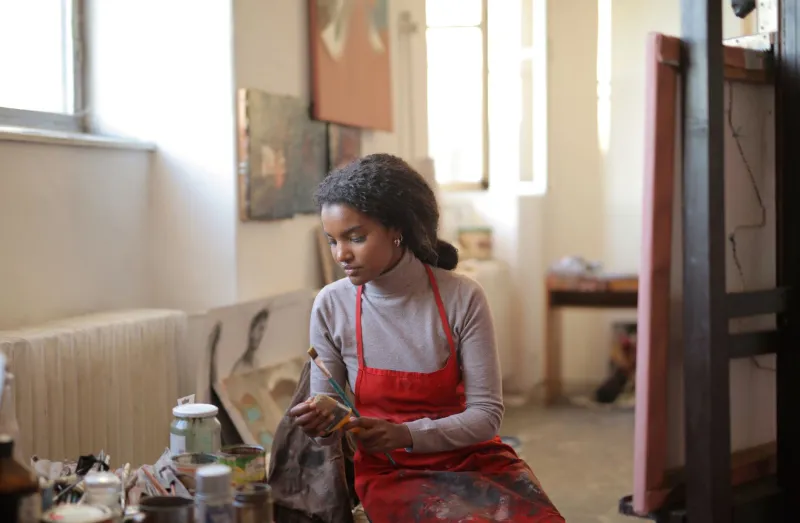
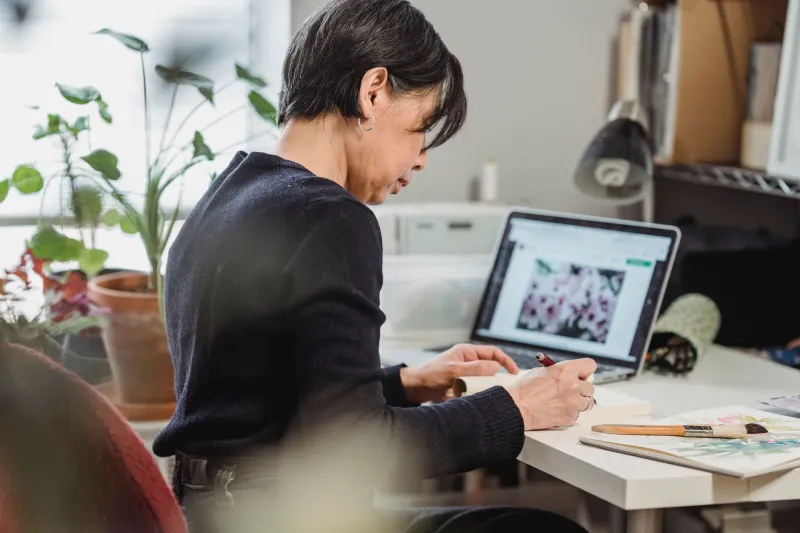
There's a version of creative work that happens before anyone's watching. Before the comments section exists. Before you've thought about the caption or the hook or whether this could become a series. It's quieter than what most of us are used to now, and honestly, a little bit scary.
But it's also where most of the best stuff comes from.
We don't talk about this enough — the way that imagining an audience, even a supportive one, fundamentally changes what you make and how you make it. Not always for the worse. But often in ways we don't notice until we've drifted pretty far from the thing we actually wanted to say.
The Audience Lives in Your Head Before They Ever See the Work
Here's something worth sitting with: the moment you imagine someone watching, you start performing. It's not a character flaw. It's just how human attention works. We're wired to read the room, to anticipate reaction, to adjust.
For creators operating in 2024 and beyond, that imagined audience has gotten louder and more specific. It's not an abstract crowd anymore — it's your Instagram followers, your Substack subscribers, the algorithm's invisible preferences, the person from your MFA program who you know will have thoughts. All of them are in the room with you before you've written a single word or made a single mark.
And they shape everything. The topics you approach. The level of vulnerability you allow. The aesthetic choices you make because you know your audience expects a certain visual language from you now.
None of that is inherently wrong. But it's worth being honest about what it costs.
What You Actually Make When Nobody's Watching
There's a reason so many artists describe their most personal, resonant work as something they made without any intention of sharing it. The novel in the drawer. The paintings made during a rough breakup that were never meant to be a series. The voice memos recorded at 2 a.m. that somehow became the emotional core of an album.
When the audience exits the room — even the imagined one — something shifts. The pressure to be coherent drops. The need to contextualize or explain loosens. You're not building toward a response anymore. You're just building.
That's when the weird stuff comes out. The specific stuff. The embarrassingly honest stuff. And weirdly, specifically, embarrassingly honest stuff is almost always the stuff that connects hardest when it does eventually meet an audience.
Because people don't connect with work that was made for them. They connect with work that was made true, and then shared.
Practical Ways to Reclaim the Private Studio
So how do you actually do this when your whole creative life is structured around output and visibility? A few things that actually work:
Give yourself a project that has no pitch. Not everything needs to be a content series or a portfolio piece. Try making something with a rule attached: this will never be posted. Not because it's shameful, but because the constraint of privacy changes what you allow yourself to do.
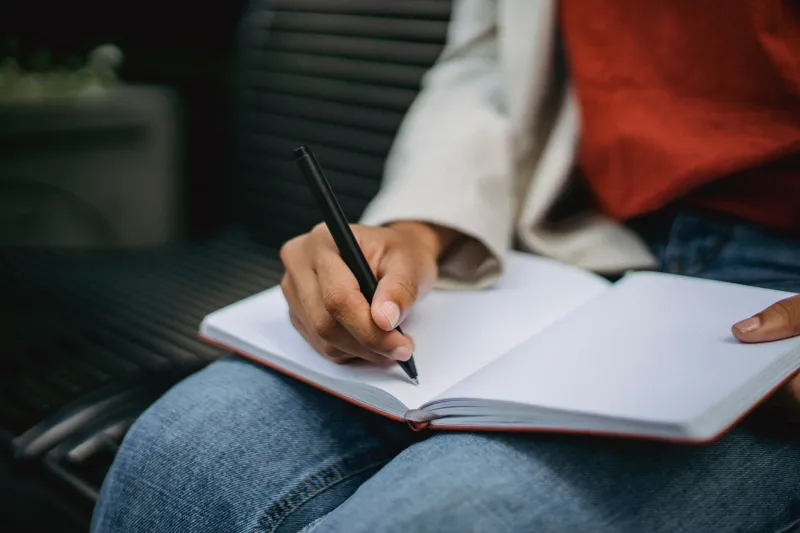
Separate the making session from the sharing session. Don't create and curate in the same sitting. Make first, evaluate later — ideally much later. When you're in the middle of making something, your inner audience critic should be locked outside.
Work in a medium that doesn't photograph well. Weird advice, but hear it out. If you're a visual artist, try writing. If you're a writer, try drawing badly. Moving into a medium that feels clumsy keeps you off-brand by default, which is sometimes exactly the freedom you need.
Make something that's only for you to understand. Inside references, private language, symbols that mean nothing to anyone else. Let it be untranslatable. Fluency in your own private creative language is actually a skill — and it feeds the public work in ways that are hard to trace but impossible to fake.
The Paradox of the Private Made Public
Here's where it gets interesting. When you do eventually share work that was made in that private, audience-free space, something different happens in the room.
People feel the absence of performance. They can't always articulate it, but there's a quality to work that wasn't made for them — a kind of self-containedness that reads as confidence, depth, or authenticity. It doesn't have the slightly anxious energy of work that was built to land.
The irony is that making art for yourself first is actually one of the most effective things you can do for your audience relationship. Not because it's a strategy, but because it's the opposite of one.
The work that changes people is usually the work that wasn't trying to. It was just trying to be honest about something the creator needed to figure out — and the audience got to overhear it.
So before you open the app, before you think about the caption, before the imagined audience fills the room — make it for nobody. Just for a little while. See what shows up when the pressure leaves.
That's where your actual voice is waiting.