When You Let Go of the Wheel, That's When the Magic Drives
Here's something nobody tells you when you're starting out as a creator: the tighter you grip your vision, the more it suffocates.
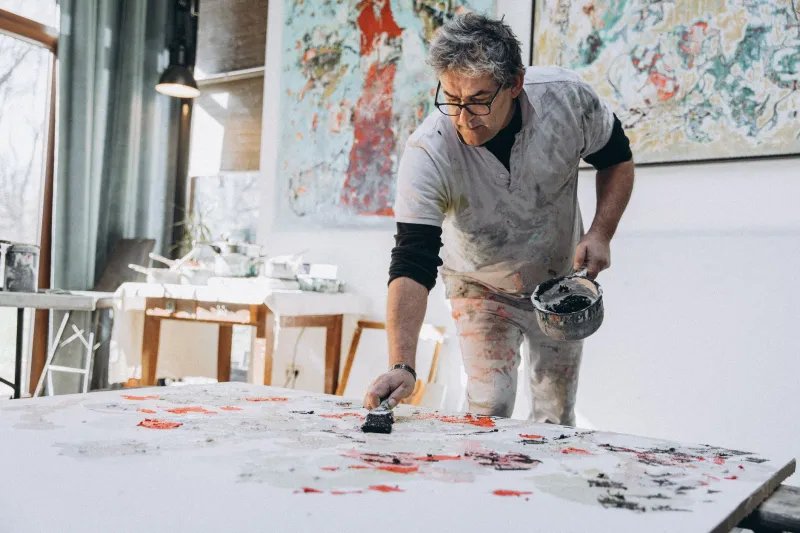
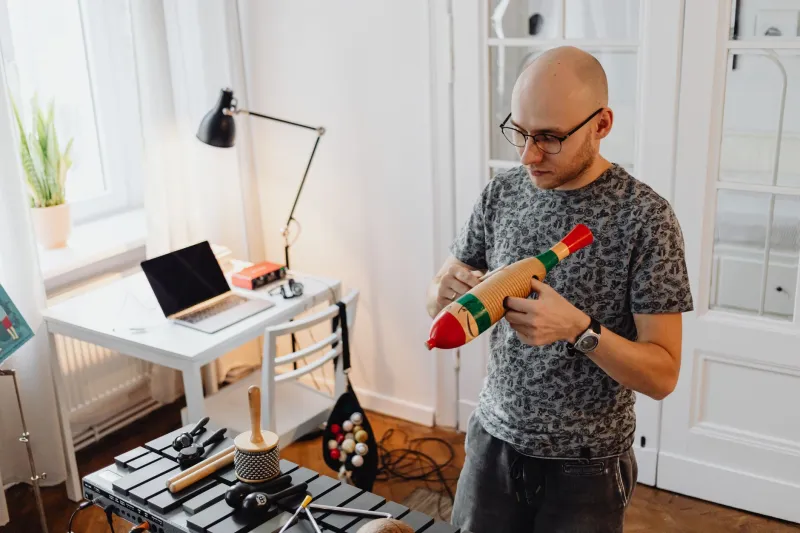
We romanticize the lone genius. The solitary painter in a sun-drenched studio. The musician who locks themselves in for three weeks and emerges with a masterpiece. The auteur director who insists on approving every frame. There's something seductive about that image — the idea that great work flows directly from a single, uncorrupted creative mind.
Except that's mostly fiction. And the creators who are doing the most interesting work right now? A lot of them will tell you the same thing: the breakthrough came when they stopped trying to control every inch of the process.
The Friction Is Not the Problem — It's the Point
When you collaborate, conflict is inevitable. Someone else has a different instinct about the color palette, the chord progression, the pacing of the third act. Your first reaction is usually to defend your original idea. Your second reaction — if you're paying attention — is to wonder why their version bothers you so much.
That discomfort is data.
RuPaul's Drag Race is a weirdly good case study here. The most memorable runways and lip syncs aren't always from the queens with the clearest, most polished aesthetic. They're often from the moments where a contestant was forced to work within constraints they didn't choose — a twist, a partner they didn't pick, a theme that clashed with their brand. The chaos created something they couldn't have manufactured alone.
The same principle plays out in music constantly. When Kendrick Lamar and Taylor Swift both released albums in 2024 that generated massive cultural conversation, the backstories revealed extensive collaborative processes — producers, co-writers, directors — that the artists themselves credited for pushing the work somewhere unexpected. Neither of them made their best stuff by insisting every decision was theirs alone.
Why Solo Work Has a Ceiling
When you work alone, you're always drawing from the same well. Your references, your blind spots, your habitual creative moves — they all show up. You get better at being you, which is valuable, but you also get better at avoiding the things that scare you.
Collaboration forces exposure. Someone else will reach for the thing you always skip past. They'll linger on the moment you thought was throwaway. They'll think your most guarded idea is the best one in the room.
This is why so many writers talk about how their editors saved a book. Not just cleaned it up — fundamentally changed what it was capable of being. A good editorial relationship isn't about deference; it's about productive tension. The author's voice survives, but it gets pressure-tested in ways that make it stronger.
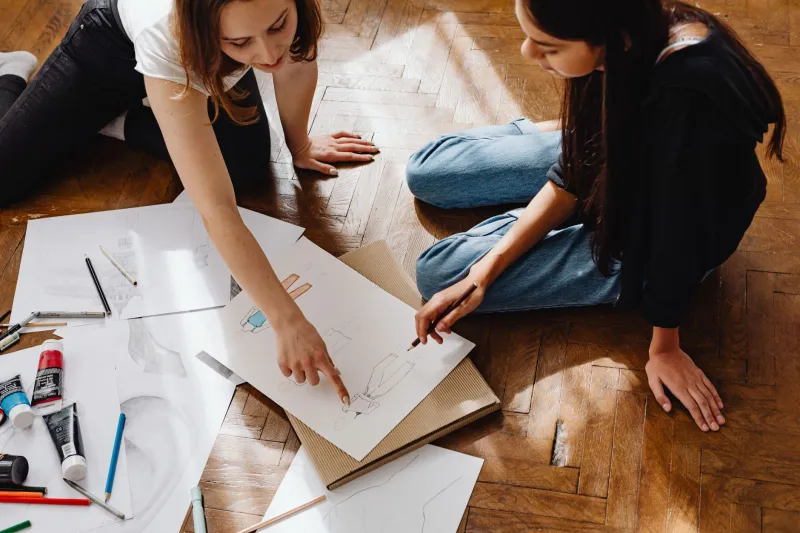
For visual artists, the same dynamic shows up in residencies and group shows. When you have to share physical or conceptual space with other creators, your work responds to its environment in ways it never would have in isolation. The piece you make at a group residency in Vermont is going to be different from the piece you made alone in your apartment — and often, it's going to be more alive.
Surrender Isn't the Same as Giving Up
Let's be clear about what letting go of control actually means, because it gets misread. It doesn't mean being passive. It doesn't mean agreeing to everything your collaborator wants. It doesn't mean abandoning your perspective.
It means staying curious instead of defensive. It means asking "what if they're onto something?" before you shut down an idea. It means treating the collaboration itself as the creative medium — not just a delivery mechanism for your pre-existing vision.
The best collaborative relationships have a kind of productive chaos built into them. Think about how Phoebe Waller-Bridge described her writing process, or how the creative partnership between directors like the Daniels (Everything Everywhere All at Once) functions — these aren't hierarchies with one person in charge. They're ongoing arguments between people who trust each other enough to push hard.
The trust is what makes the friction safe. Without it, conflict just becomes combat. With it, conflict becomes the engine.
What This Means for Independent Creators Right Now
In the current creator economy, there's enormous pressure to be a solo brand. Your face, your voice, your aesthetic, your niche — it's all supposed to be singularly yours. And there's real value in that kind of ownership and consistency.
But the creators who are building the most interesting bodies of work aren't working in silos. They're guesting on each other's podcasts and genuinely riffing, not just cross-promoting. They're co-creating visual series with photographers whose sensibility clashes with theirs in interesting ways. They're letting someone else edit their writing and actually listening to what gets cut.
The TikTok duet and stitch features — chaotic and often silly as they are — accidentally created one of the most generative collaborative formats on the internet. A creator makes something. Another creator responds. The original piece mutates into something neither of them planned. Sometimes it's dumb. Sometimes it's genuinely electric. The format doesn't care about your vision; it cares about the reaction.
That's closer to how a lot of great art actually gets made than the lone genius story we keep telling ourselves.
The Work You Couldn't Have Made Alone
There's a specific feeling that comes from finishing a collaborative project — a strange mix of pride and disorientation, because you're not entirely sure how it got to where it is. You can trace your contributions, but the thing itself feels like it belongs to the process more than to any individual.
That feeling used to unsettle me. Now I think it's the sign that something real happened.
The work that comes out of genuine collaboration — where both people brought their whole selves, where there was real friction and real negotiation — tends to have a quality that's hard to manufacture. It has the fingerprints of more than one mind on it, and somehow that makes it feel more human, not less.
So if you've been guarding your creative process like it's something that needs protecting, it might be worth asking: protecting it from what, exactly? From being changed? From going somewhere you didn't plan?
Because sometimes the best thing that can happen to your work is that someone else gets their hands on it — and you're curious enough to see what they do.